
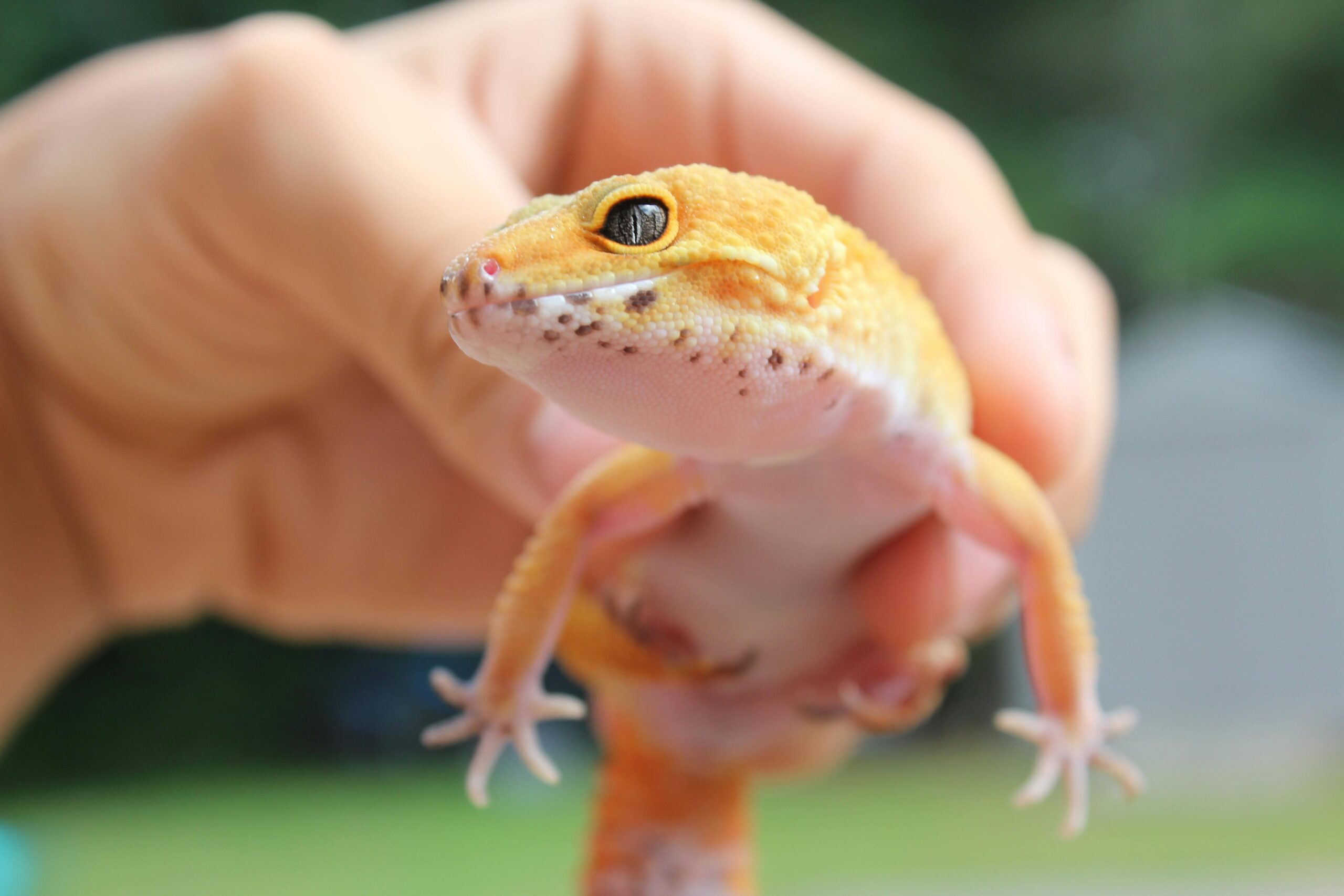
Finding your gecko sitting completely still, tucked in a corner, or refusing to come out can be alarming, especially if you’re a new keeper. The good news is that in most cases, a motionless gecko is simply a gecko being a gecko. But there are situations where stillness signals something that needs attention, and knowing the difference is an important part of responsible gecko keeping.
This guide walks through every reason a gecko might not be moving, from the completely normal to the genuinely concerning, so you can assess your animal confidently and take the right action.
First: Know Your Gecko’s Normal
Before you can identify abnormal behavior, you need to know what normal looks like for your specific gecko. This sounds obvious but it’s the most important point in this entire guide.
Every gecko has its own personality and baseline activity level. Some leopard geckos are bold and visible, out exploring their enclosure every evening without fail. Others are shy and spend most of their time in a single hide, emerging only briefly to eat. Both can be perfectly healthy animals.
What you’re watching for is a change from your individual gecko’s established pattern, not a deviation from some theoretical average. A gecko that has always been reclusive and still is not a concern. A gecko that was previously active every evening and has suddenly gone quiet for several days is a different situation entirely.
If you’ve just brought your gecko home, you don’t have a baseline yet. New geckos almost always go through a settling period of one to three weeks where they hide constantly, refuse food, and show little activity. This is normal stress behavior from the transition and not a cause for concern. Give them time.
Normal Reasons a Gecko Isn’t Moving
It’s Daytime
This is the most common reason new keepers worry unnecessarily. Most commonly kept pet geckos are nocturnal or crepuscular. They are biologically programmed to rest during the day and become active at dusk and through the night.
A leopard gecko, African fat-tailed gecko, or tokay gecko sitting completely motionless in its hide at 2pm on a Tuesday is doing exactly what evolution designed it to do. Check on your gecko in the evening after lights have dimmed and you’ll almost certainly find a very different animal.
Thermoregulation
Geckos are ectotherms, meaning they regulate their body temperature through their environment rather than generating heat internally. A gecko that is not at its preferred body temperature will be less active, slower moving, and may sit in an unusual spot for extended periods as it seeks the right temperature zone.
If you find your gecko pressed against the warm side of the enclosure or sitting directly under a heat source and not moving much, it’s likely thermoregulating. Check your temperatures. If the warm side isn’t warm enough, the gecko can’t get to its preferred body temperature and its metabolism and activity level will suffer.
Pre-Shed Behavior
In the days leading up to a shed, most geckos become noticeably quieter. They may stop hunting, spend more time in hides, and show less interest in their surroundings. Their skin will usually look dull and slightly grey or milky, which is caused by the fluid building up between the old and new skin layers.
This quiet phase typically lasts two to five days before the shed itself. After a clean shed, appetite and activity return to normal quickly. If your gecko has been still for a few days and you notice the skin looks dull, a shed is likely on the way and no action is needed.
Digestion
After eating a large meal, geckos often become very still for several hours while they digest. This is particularly noticeable after feeding larger prey items. A gecko that ate well the previous evening and is sitting motionless and content the next day is simply digesting.
Reptile digestion requires warmth, which is another reason to ensure your temperature gradient is correct. A gecko trying to digest in an enclosure that’s too cool will stay still for much longer than normal and may not process its food properly.
Winter Slowdown
Many gecko species show reduced activity during the cooler months, even in captivity where temperatures and lighting are kept relatively stable. This brumation-like response is triggered by changes in natural daylight length that the gecko picks up even through artificial lighting.
A gecko that becomes noticeably quieter and less interested in food between October and February, then perks back up in spring, is following a normal seasonal rhythm. As long as it maintains body weight through the winter period, a seasonal slowdown is nothing to worry about.
Post-Handling Stress
Some geckos, particularly those that are naturally shy or haven’t been handled much, may be unusually still and subdued for a period after a handling session. They’re processing the stress of the experience. This typically passes within a few hours.
When Stillness Is a Cause for Concern
The situations above are all normal. The following are cases where a gecko not moving deserves a closer look.
Incorrect Temperatures
Temperature is the single most common husbandry issue that causes abnormal stillness in geckos. A gecko kept too cold will become increasingly lethargic as its metabolic processes slow down. At sufficiently low temperatures, a gecko may become almost completely immobile.
Check your temperatures with a reliable thermometer, ideally a temperature gun or digital probe rather than a dial gauge, which are notoriously inaccurate. If the warm side of your enclosure isn’t reaching the appropriate temperature for your species, correcting it should be your first action.
Dehydration
A dehydrated gecko may become lethargic and still. Other signs of dehydration include sunken eyes, wrinkled or loose skin, and difficulty shedding. Check that your gecko has access to fresh water and that your humidity levels are appropriate for its species.
If you suspect dehydration, a shallow lukewarm soak for fifteen to twenty minutes can help rehydrate your gecko while you address the underlying cause.
Retained Shed
A gecko with retained shed, particularly constricting shed around the toes, tail tip, or eye caps, may become still and uncomfortable. Check your gecko carefully for any patches of old skin that haven’t come away cleanly. Retained eye caps in particular cause significant discomfort and can lead to eye damage if not addressed.
For information on dealing with retained shed and keeping humidity at the right level to prevent it, see our full guide on gecko shedding.
Injury
A gecko that is still and reluctant to move may have injured itself. Falls, enclosure features with sharp edges, or bites from feeder insects left in the enclosure overnight can all cause injuries. Examine your gecko carefully for any visible wounds, swelling, or areas it seems to be guarding.
Illness
Various illnesses can cause lethargy and reduced movement in geckos, including respiratory infections, parasites, and metabolic bone disease. Illness-related lethargy is typically accompanied by other signs: weight loss, changes in stool, abnormal posture, labored breathing, or visible physical changes.
A gecko that is still and also shows any of these accompanying signs should be seen by a reptile-experienced vet rather than monitored at home.
Impaction
Impaction occurs when a gecko has ingested substrate or another indigestible material that is causing a blockage. An impacted gecko may become still and lethargic, stop eating, and may show a distended abdomen. It’s a serious condition that requires veterinary attention.
A Practical Assessment Guide
When you notice your gecko isn’t moving, work through these questions in order before deciding whether to be concerned:
What time is it? If it’s daytime, your gecko is almost certainly just resting. Check again after dark.
Has anything changed recently? New gecko, recent handling, recent feeding, recent enclosure changes? Any of these can cause temporary stillness.
Does the skin look dull or grey? Likely pre-shed. Check back in a few days.
What are the temperatures? Verify with a reliable thermometer. Correct any temperature issues first.
When did your gecko last eat? Recent large meal means it’s likely digesting.
Is the gecko responsive when you open the enclosure? A healthy gecko, even a resting one, should react when you interact with it. A gecko that doesn’t respond at all to gentle interaction is more concerning than one that simply hasn’t moved.
Are there any other signs? Weight loss, abnormal posture, labored breathing, physical changes, or changes in stool alongside the stillness are flags that warrant veterinary attention.
In the vast majority of cases, a gecko not moving is a gecko doing exactly what geckos do. The key is knowing your animal well enough to recognize when something is genuinely off.
Gecko Behavior FAQs
My gecko hasn’t moved in two days. Should I be worried? Depends on the context. If it’s been resting in its hide during the day and just isn’t coming out at night either, and it’s approaching a shed, it’s likely fine. If it’s been completely unresponsive for two full days across its entire active period and has no obvious explanation, it’s worth a vet visit.
My new gecko hasn’t moved since I brought it home. Very common. New geckos hide and stay still for days to weeks while they settle into their new environment. As long as temperatures are correct and fresh water is available, give it time. Most new geckos start coming out at night within one to three weeks.
My gecko moved fine last week and now barely moves at all. A sudden change from an established normal pattern is the most important type of change to pay attention to. Check temperatures first, then assess for pre-shed, then look for any other accompanying signs. If temperatures are correct and there’s no obvious explanation, monitoring closely for a few more days is reasonable. If it persists or other signs appear, see a vet.
My gecko is moving but much more slowly than usual. Slow movement combined with normal-looking posture and no other symptoms is often temperature-related. Check your warm side temperatures. If temperatures are correct and the slowness persists, look for other signs of illness.
My gecko is still but alert and tracking movement with its eyes. A still but visually alert gecko is almost certainly fine. It’s watching its environment, probably waiting for something interesting to happen or deciding whether to come out. This is normal resting behavior.