
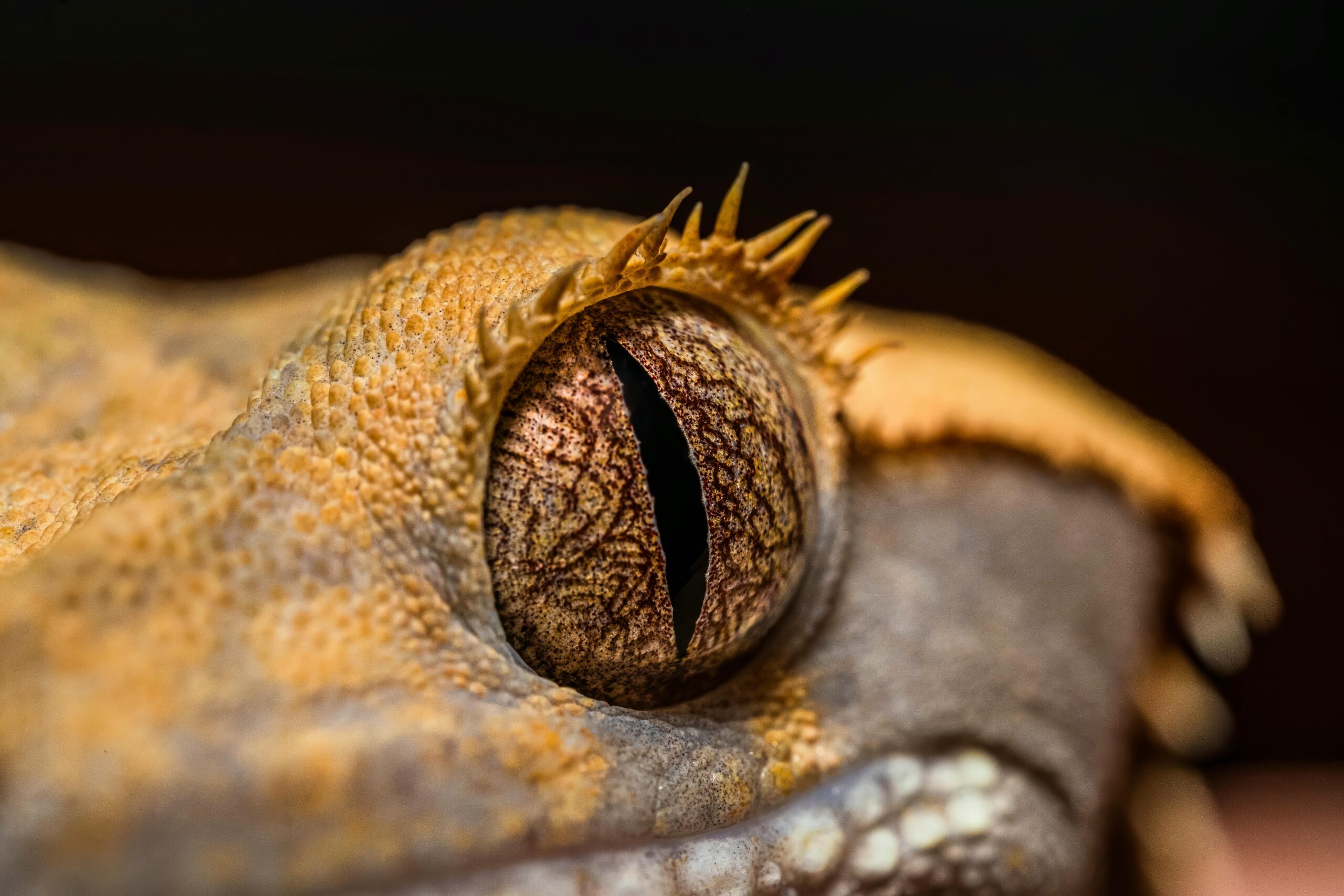
Shedding is one of the most fundamental and regular events in a gecko’s life. All geckos shed their skin throughout their entire lives, and for most healthy animals kept in the right conditions, it’s a smooth process that requires nothing from you other than knowing it’s happening.
But shedding can go wrong, and when it does, the consequences range from minor inconvenience to serious injury. Understanding what a normal shed looks like, what conditions support it, and how to recognize and respond to a problematic shed is essential knowledge for any gecko keeper.
Why Geckos Shed
Geckos shed their skin for several reasons. The most obvious is growth. Young geckos grow rapidly and shed frequently to accommodate their expanding bodies. Adult geckos continue to shed throughout their lives even after they’ve reached full size, as shedding renews the skin and removes parasites, bacteria, and damaged tissue.
Unlike snakes, which shed their skin in one complete piece, geckos typically shed in several sections. The skin splits and comes away in patches over the course of a few hours, and most geckos actively assist the process by rubbing against rough surfaces and pulling the shed skin away with their mouths.
How Often Do Geckos Shed?
Shedding frequency depends primarily on age. Juvenile geckos shed every one to two weeks during periods of rapid growth. Sub-adults shed every three to four weeks. Adult geckos typically shed every four to eight weeks, though this varies by species, individual, and time of year.
If you keep track of your gecko’s sheds you’ll develop a sense of its individual rhythm. Significant changes in shedding frequency in an established adult gecko, either much more or much less frequent, can indicate nutritional issues, illness, or environmental problems worth investigating.
The Stages of a Normal Shed
Recognizing the pre-shed phase is useful because it explains a lot of behavior that otherwise looks concerning to new keepers.
In the days before a shed, your gecko’s skin will take on a dull, faded, or slightly milky appearance. This is caused by lymphatic fluid accumulating between the old and new skin layers, loosening the bond between them. Leopard geckos in pre-shed often look noticeably paler than usual. Crested geckos may appear more matte and less vibrant.
During the pre-shed phase most geckos become less active, eat less or stop eating altogether, and spend more time in hides. These are all normal responses to the physical process happening beneath the surface.
The shed itself typically happens at night, when geckos are most active. It usually completes within a few hours. Most geckos eat their shed skin immediately after, which is completely normal behavior believed to help recover the nutrients it contains.
After a clean shed, your gecko should look bright and fresh, with vivid coloring and clear eyes. Appetite and activity typically return to normal within a day.
What Supports a Clean Shed
Humidity is the most important factor in successful shedding. When humidity is too low, the skin dries out and becomes difficult to remove cleanly. This is the primary cause of retained shed in captive geckos.
Every gecko species has a specific humidity requirement. Leopard geckos do well at 30 to 40 percent ambient humidity with a moist hide available. Crested geckos need higher ambient humidity of around 60 to 80 percent. Knowing and maintaining the right humidity for your species is the most effective thing you can do to prevent shedding problems.
A moist hide is valuable for many species regardless of their general humidity requirements. This is simply a hide with a damp substrate inside, such as moist sphagnum moss or coconut fiber. Geckos use it to add moisture to the skin during the pre-shed phase and to help loosen the shed when it begins. Many experienced keepers keep a moist hide available permanently rather than only adding one when a shed is approaching.
Rough surfaces inside the enclosure also help. Geckos rub against rough cork bark, rock features, and similar surfaces to help split and pull away the shed skin. An enclosure with only smooth surfaces gives your gecko fewer tools to work with.
Nutrition plays a role too. Geckos that are deficient in certain vitamins, particularly vitamin A, can have chronic shedding difficulties. If your gecko consistently struggles with sheds despite correct humidity, review your supplementation routine. For a full guide to gecko supplementation, see our article on gecko vitamins and supplements.
Retained Shed: Recognizing and Dealing With It
Retained shed, or dysecdysis, is the most common shedding problem in captive geckos. It happens when some or all of the old skin fails to come away cleanly and stays attached to the gecko.
The most dangerous areas for retained shed are the toes, the tail tip, and the eye caps.
Retained Shed on Toes
This is the most frequently seen and most damaging form of retained shed. Old skin that stays on a toe dries and constricts, cutting off circulation to the toe tip. If not removed promptly, this constriction can cause the loss of the toe tip, the whole toe, or worse.
Geckos with retained toe shed may seem to walk normally at first, making it easy to miss. Develop a habit of checking your gecko’s toes after each shed. Look for tight, constricting rings of old skin, toes that appear thinner at the tip than the base, or any discoloration.
To remove retained toe shed, soak the affected area in lukewarm water for fifteen to twenty minutes to soften the old skin. After soaking, the shed should slide away easily with very gentle pressure from a damp cotton bud. Never pull or force dry shed. If the shed doesn’t come away easily after soaking, soak again rather than forcing it.
Retained Eye Caps
Retained eye caps (the transparent scale that covers a gecko’s eye during the shed cycle) are a serious problem that can cause eye damage, infection, and blindness if left unaddressed. Retained eye caps appear as a cloudy or dull layer over one or both eyes after a shed has otherwise completed.
Do not attempt to remove retained eye caps yourself unless you have experience doing so. The eye is easily damaged and what looks like a retained cap can sometimes be something else. A vet visit is the right call for retained eye caps, particularly if they don’t resolve on their own after a second shed cycle.
If you suspect retained eye caps, increase humidity in the enclosure and add a moist hide immediately. Sometimes additional moisture alone is enough to resolve them before the next shed.
Retained Shed on the Body
Patches of retained shed on the body, tail, or limbs are less urgent than toe or eye cap retention but still need attention. Left long enough, shed can build up in layers and become increasingly difficult to remove.
Soaking in lukewarm water for fifteen to twenty minutes and then very gently rubbing the area with a damp cotton cloth or cotton bud is usually effective for body shed retention. Never rub dry. Multiple soak sessions over a couple of days are better than one aggressive attempt.
Helping With a Difficult Shed
If your gecko is clearly struggling with a shed that has started but isn’t progressing, or if a shed has been incomplete for more than a day or two, you can assist carefully.
A warm, shallow soak for fifteen to twenty minutes is the first step. Use water that’s comfortably warm but not hot. The moisture softens the shed and often allows the gecko to finish the process on its own.
You can also try providing a humid hide with moist moss inside. Many geckos will go into the hide and finish the shed themselves with the added moisture.
If assisting manually, be extremely gentle. Dampen the stuck shed thoroughly before attempting to move it. Work very slowly and stop if you meet any resistance. Pulling shed that isn’t ready to come away can tear the new skin underneath, causing injury.
Frequent Shedding Problems: Possible Causes
If your gecko consistently has difficult sheds despite correct humidity, it’s worth looking at other potential causes.
Low ambient humidity is the most common cause and should always be checked first. But consistent shedding problems in a well-maintained enclosure can also point to vitamin A deficiency, dehydration, an underlying skin infection, or in some cases mites.
Mites are tiny parasites that live on reptile skin and are sometimes discovered during a shed when they become more visible. If you see very small moving dots on your gecko or in the shed skin, or around the water dish, mites may be present and require treatment.
If you’ve addressed humidity and nutrition and your gecko continues to have chronic shedding problems, a vet visit is worthwhile to rule out underlying health issues.
Shedding FAQs
Should I help my gecko shed? Healthy geckos with correct humidity don’t need help. Intervening in a shed that’s progressing normally can cause more harm than good. Only assist if a shed has clearly been incomplete for more than a day or two, or if you can see retained shed after the process appears to have finished.
My gecko is eating its shed skin. Is that normal? Yes, completely normal. Most geckos eat their shed skin and it’s thought to help recover the nutrients it contains. Don’t remove shed skin from the enclosure before your gecko has had a chance to eat it.
My gecko’s colors look amazing after a shed. Is that normal? Yes. The fresh skin after a clean shed is often noticeably more vibrant than the dull pre-shed skin. This is one of the most satisfying things to see as a keeper.
My gecko has been in pre-shed for over a week and hasn’t shed yet. Should I be concerned? The pre-shed phase can vary in length but more than a week is on the longer side. Increase humidity, add a moist hide if you don’t already have one, and ensure temperatures are correct. If the shed still doesn’t progress, a vet visit is reasonable.
My gecko shed but I can’t find the shed skin anywhere. Your gecko almost certainly ate it. This is normal.
Can I handle my gecko while it’s in pre-shed? It’s best to avoid or minimize handling during the pre-shed phase. The gecko is already dealing with a physically uncomfortable process and handling adds stress that can complicate or delay the shed.
My gecko lost a toe tip to retained shed. What do I do now? Keep the area clean and monitor for infection. Most geckos adapt well to missing toe tips and live normal lives. More importantly, review your humidity setup to prevent it happening again. A permanent moist hide is the most effective prevention.